Most men reading this page do not have a nutrient deficiency. That is worth saying plainly, before anything else. In the United States, niacin intake from food is generally well above the recommended level, and frank deficiency is rare.
What a dietary supplement can honestly offer is narrower than most advertising suggests: it supplies specific nutrients in specific amounts. Whether that matters for you depends on your own diet, and on nothing this page can measure. So instead of describing how you might feel, this page describes what is in the capsule, what published sources say about those ingredients, and how the amounts compare.
What Force Fuel Is Not
Force Fuel is a dietary supplement. It is not a treatment, cure, or remedy for any medical condition, and it is not a substitute for a balanced diet, regular exercise, or any medication your doctor has prescribed. It is intended for adults over 18. If you take prescription medication or are under medical supervision, consult your physician before use. Individual results vary, and no result is guaranteed.
How Nutrients Relate to Energy Metabolism
“Energy” in nutrition science does not mean how alert you feel. It refers to a chemical process: cells break down carbohydrate, fat and protein and capture the released energy as adenosine triphosphate, or ATP. That process depends on coenzymes, and coenzymes are built from vitamins and minerals.
Niacin is the clearest example. According to the NIH Office of Dietary Supplements, all tissues convert absorbed niacin into the coenzyme NAD, and more than 400 enzymes require NAD to catalyse reactions — more than for any other vitamin-derived coenzyme. NAD is primarily involved in the catabolic reactions that transfer the potential energy in carbohydrates, fats and proteins to ATP.
This is a description of normal biochemistry that applies to everyone with an adequate diet. It is not a claim that taking more niacin produces more energy, and no statement on this page should be read that way.
Diet and Exercise Notice
Nutritional support for normal energy metabolism works only within a balanced diet and a regular exercise routine. Force Fuel is not a weight management product. It is not intended to reduce body weight, burn fat, suppress appetite, or alter body composition, and it makes no weight loss claims of any kind. References to metabolism on this page describe normal nutritional processes only, not a medical effect or therapeutic outcome.
Every Claim, Its Source, and the Amounts
The four blocks below cover every health-related statement Force Fuel makes about its ingredients. Each block states the claim, links the specific independent source that supports that exact claim, and gives the amount used in the source next to the amount in one capsule of Force Fuel. Where the amount in Force Fuel is lower than the amount used in published research, that is stated rather than omitted.
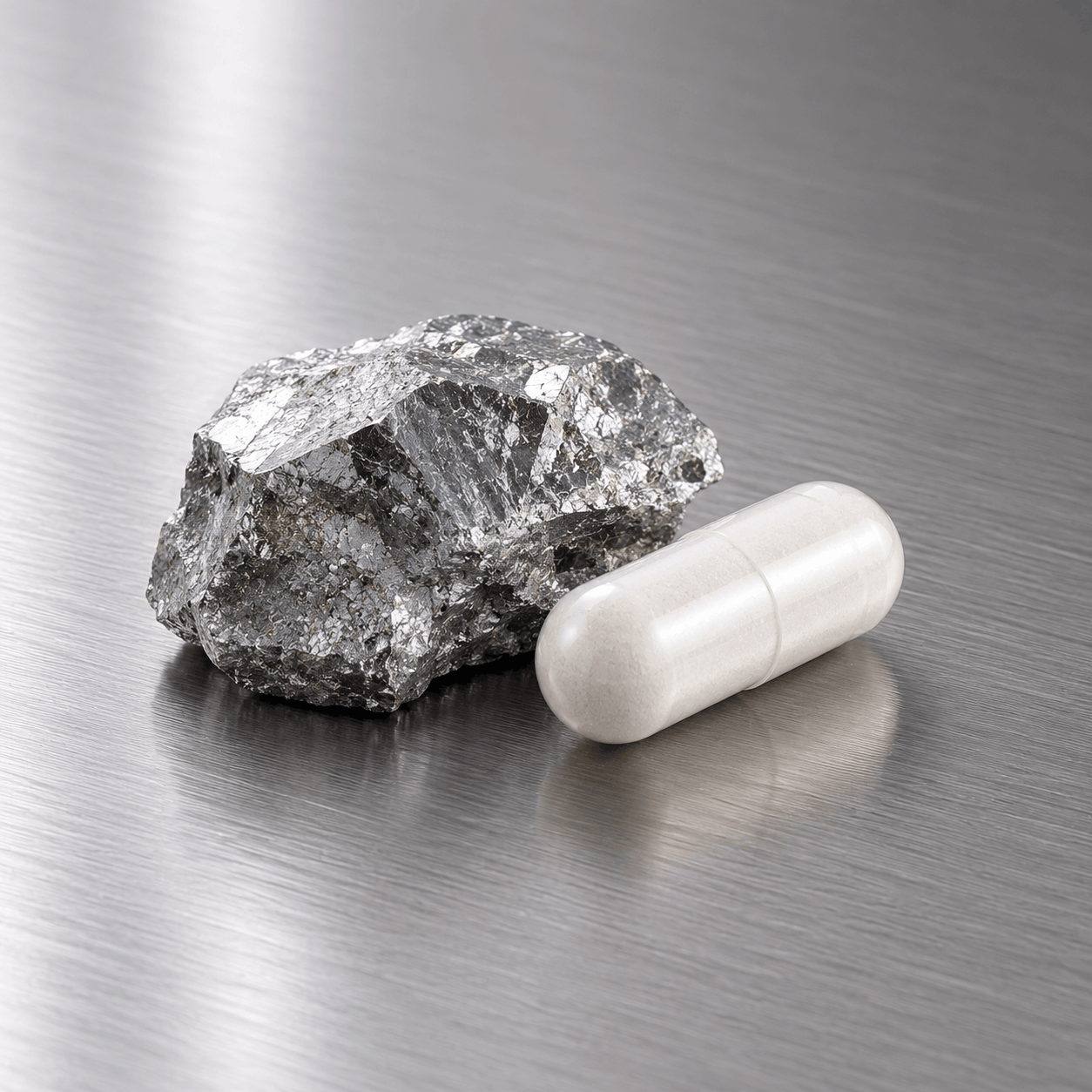
1. Zinc — 11 mg
Zinc is an essential trace mineral. Its role in the enzymes that process carbohydrate, fat and protein is established nutrition science, and the amount in Force Fuel is the full daily allowance for an adult man.
Claim: “Zinc is involved in many aspects of cellular metabolism and is required for the catalytic activity of hundreds of enzymes. One capsule supplies 11 mg, the full Recommended Dietary Allowance for men aged 19 and over.”
- Independent source
- Zinc: Fact Sheet for Health Professionals — NIH Office of Dietary Supplements, U.S. Department of Health and Human Services.
- What the source states
- Zinc is involved in many aspects of cellular metabolism. It is required for the catalytic activity of hundreds of enzymes, and plays a role in immune function, protein and DNA synthesis, wound healing, and cell signalling and division. The RDA is 11 mg/day for men aged 19+; the Tolerable Upper Intake Level is 40 mg/day.
- Amount in the source
- 11 mg/day (RDA, adult men)
- Amount in Force Fuel
- 11 mg per capsule Matches the RDA
- Limits of this claim
- This describes zinc's normal function in the body. It is not a claim that Force Fuel increases energy, stamina, or physical performance, and the cited source does not evaluate Force Fuel.
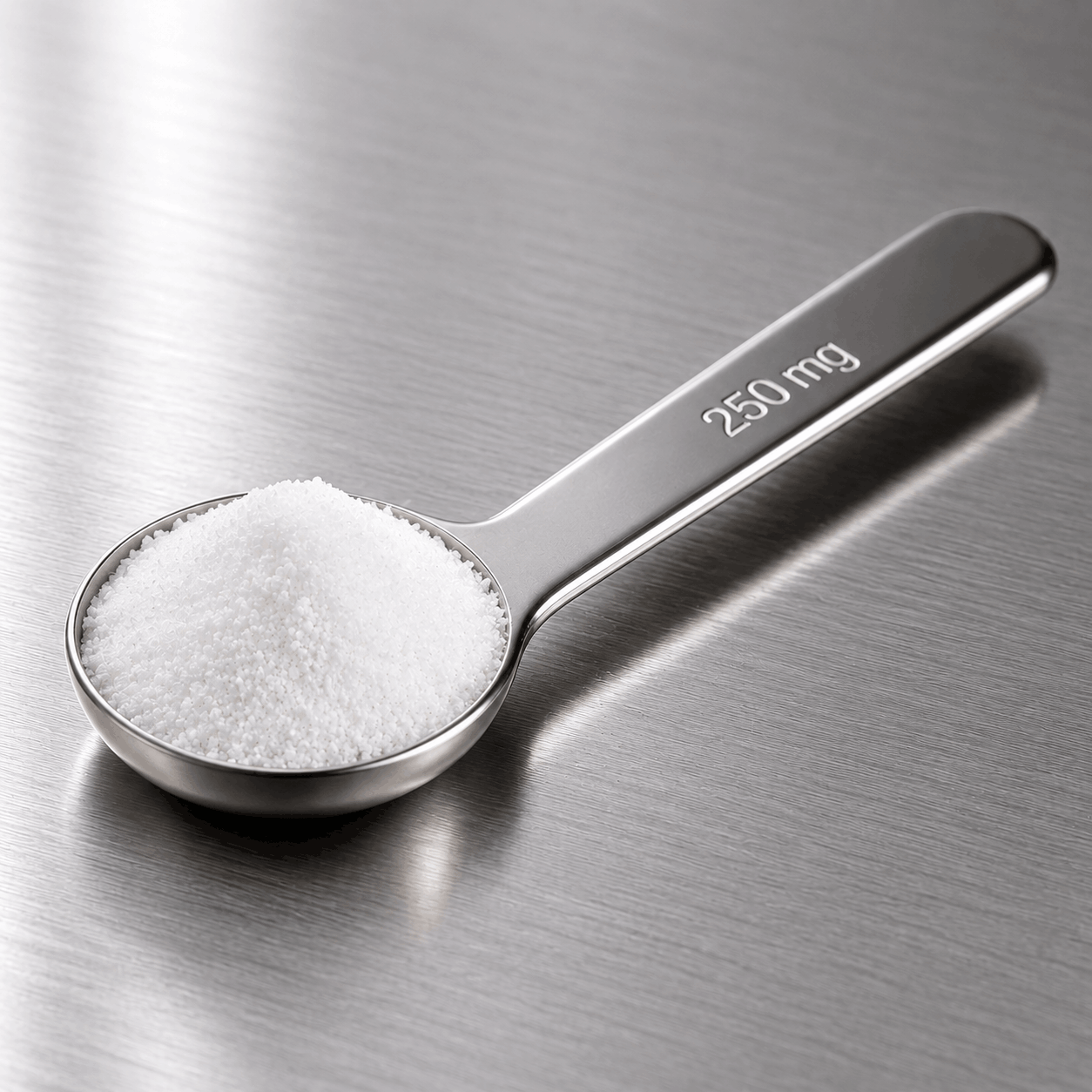
2. Niacin (Vitamin B3) — 20 mg, and L-Carnitine — 150 mg
Two separate claims, each with its own source. Niacin has a defined allowance and a well-documented coenzyme role. L-Carnitine has a documented transport function, but no established requirement and mixed performance evidence — both are stated below.
Claim: “Niacin is converted in all tissues into NAD, the coenzyme cells use to transfer energy from carbohydrate, fat and protein to ATP.”
- Independent source
- Niacin: Fact Sheet for Health Professionals — NIH Office of Dietary Supplements, U.S. Department of Health and Human Services.
- What the source states
- All tissues convert absorbed niacin into NAD; more than 400 enzymes require NAD to catalyse reactions in the body. NAD is primarily involved in catabolic reactions that transfer the potential energy in carbohydrates, fats and proteins to ATP, the cell's primary energy currency.
- Amount in the source
- RDA is 16 mg NE/day for men aged 19+. Tolerable Upper Intake Level is 35 mg/day.
- Amount in Force Fuel
- 20 mg per capsule Above the RDA, below the UL
- Limits of this claim
- The cited source does not state that supplemental niacin reduces tiredness or fatigue, and Force Fuel makes no such claim. Most adults in the United States already consume more than the RDA for niacin from food.
Claim: “L-Carnitine is an essential cofactor that transports long-chain fatty acids into the mitochondria, where they are oxidised to produce energy in the form of ATP.”
- Independent source
- Carnitine: Fact Sheet for Health Professionals — NIH Office of Dietary Supplements, U.S. Department of Health and Human Services.
- What the source states
- Carnitine plays a critical role in energy production as an essential cofactor that helps transport long-chain fatty acids into the mitochondria to be oxidised to produce energy in the form of ATP.
- Amount in the source
- No RDA has been established. The body requires roughly 15 mg/day; a typical omnivorous diet supplies about 24–145 mg/day.
- Amount in Force Fuel
- 150 mg per capsule Below doses used in performance trials
- Limits of this claim
- This describes carnitine's biochemical function only. The same NIH source states that healthy adults do not need to consume carnitine because the liver and kidneys synthesise sufficient amounts, and that the evidence on supplemental carnitine for performance enhancement is mixed. Trials examining exercise performance generally used 1–4 g/day, far above the 150 mg in Force Fuel. Force Fuel therefore makes no performance or fatigue claim for L-Carnitine.
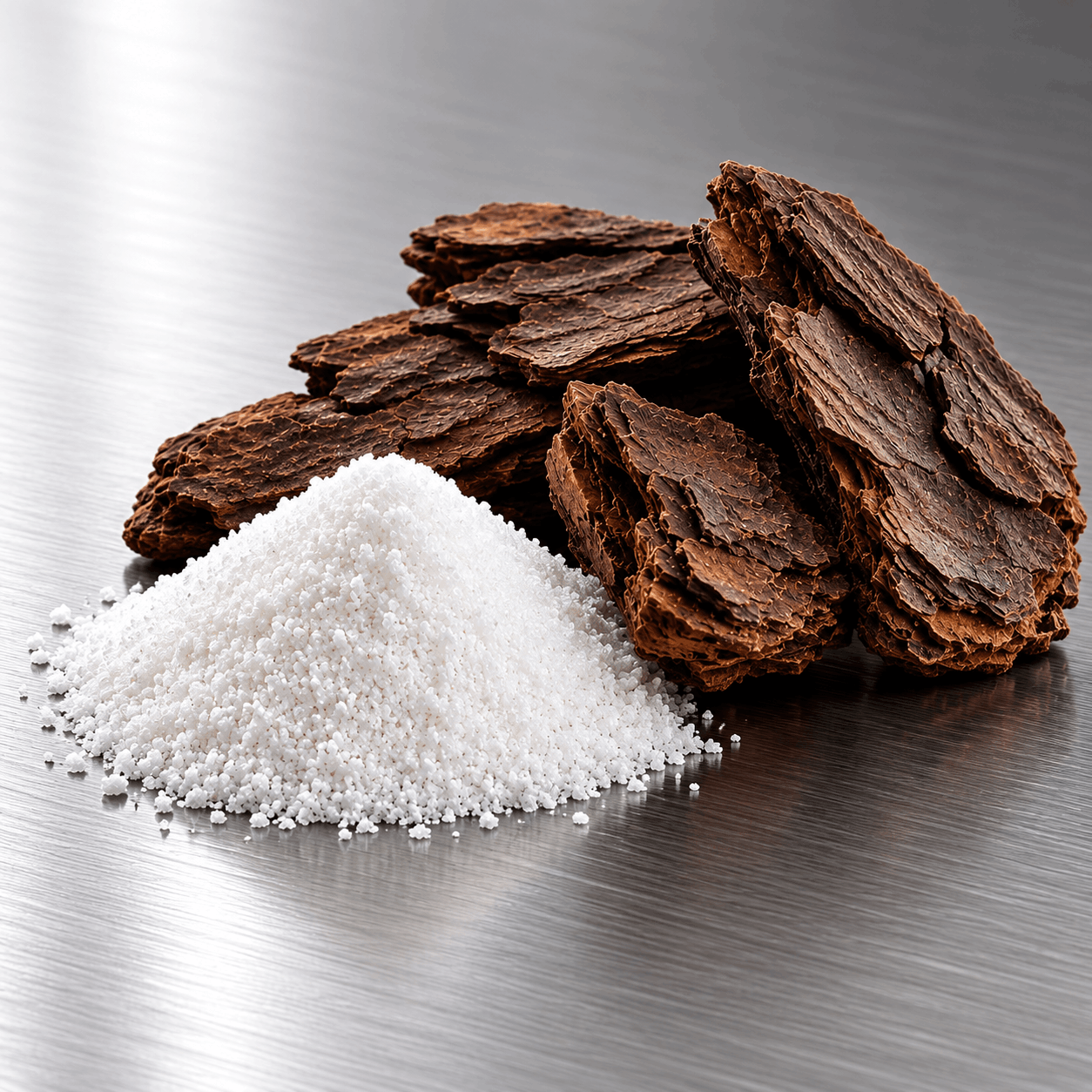
3. Pine Bark Extract — 100 mg, and L-Citrulline — 150 mg
The pine bark amount matches the dose used in a published fitness trial, which is stated below with its limitations. The citrulline amount does not match the research, so no claim is made for it.
Claim: “In an 8-week controlled trial, 100 mg/day of standardised French maritime pine bark extract was associated with better Army Physical Fitness Test scores than an unsupplemented control group.”
- Independent source
- Vinciguerra G, et al. Evaluation of the effects of supplementation with Pycnogenol on fitness... J Sports Med Phys Fitness. 2013 Dec;53(6):644–654. PMID: 24247188.
- Amount in Force Fuel
- 100 mg Pinus pinaster bark extract per capsule Matches Part 1
- Limits of this claim
- Read this evidence with its limitations. The trial used a specific standardised extract (Pycnogenol), and Force Fuel's bark extract may differ in standardisation. The comparison group was unsupplemented rather than given a placebo. The study was not conducted on Force Fuel.
L-Citrulline — 150 mg: no claim is made
Force Fuel contains L-Citrulline but makes no endurance, stamina, blood flow, or exercise performance claim for it, because the published evidence does not support one at this amount.
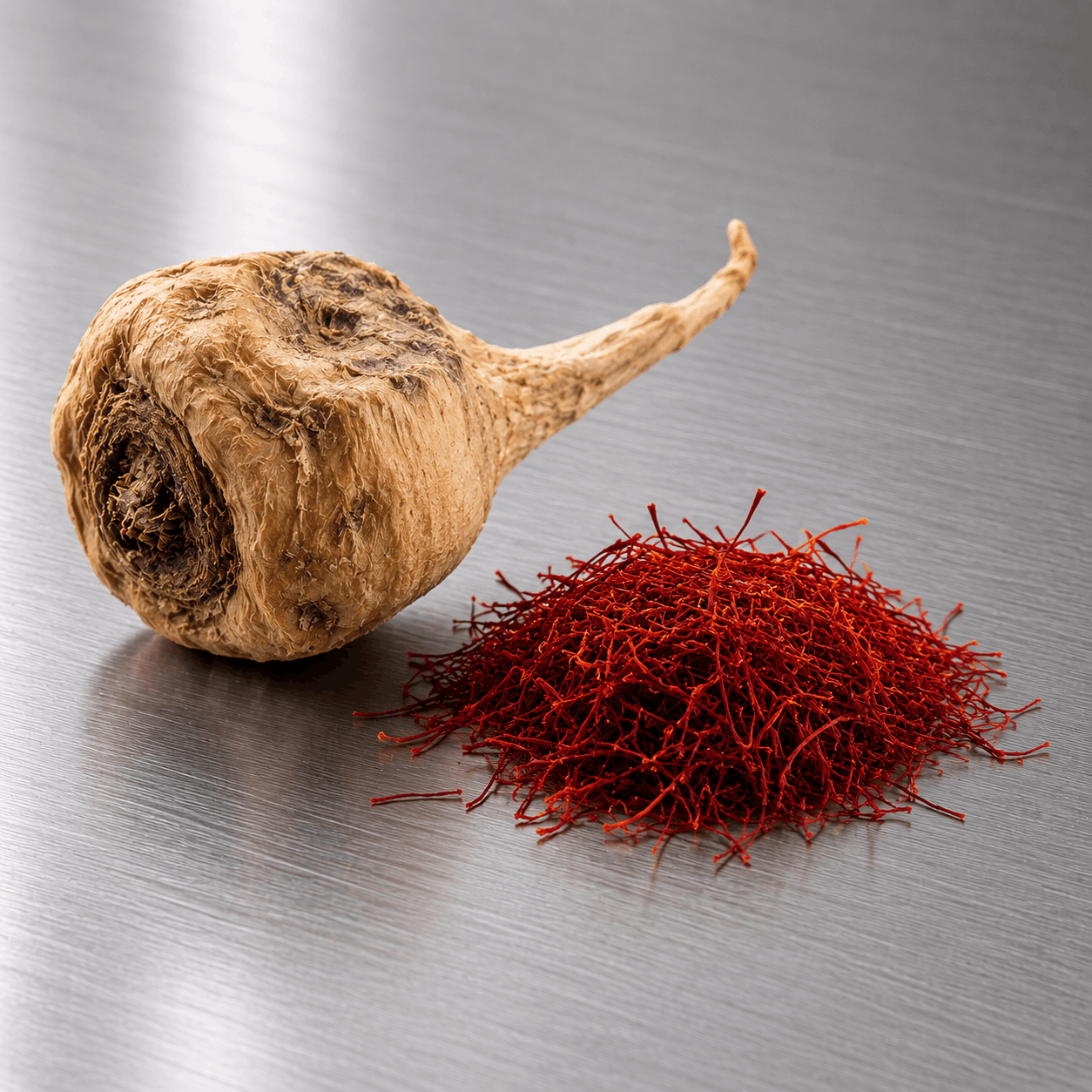
4. Botanical Ingredients — Maca, Grape Skin, Saffron
These three botanicals are present in small amounts. Force Fuel makes no health claim for any of them, and the reason is stated openly below.
Maca Root Extract — 50 mg: no claim is made
Because that gap is large between human trials (1.5-3g) and our amount (50mg), Force Fuel makes no stamina, energy, stress, mood, libido, or physical performance claim for maca.
Grape Skin Extract — 15 mg and Saffron Stigmas Extract — 5 mg: no claim is made
These are included as botanical components of the formula. Force Fuel makes no claim of any kind for either.
Claim-to-Source Index
Every health-related statement on this page
This table exists so that any statement can be traced to the source that supports it. Sources are independent of Force Fuel.
| Statement on this page | Ingredient & amount per capsule | Independent source | Amount in the source | Status |
|---|---|---|---|---|
| Involved in many aspects of cellular metabolism... | Zinc (as zinc oxide) — 11 mg | NIH ODS | RDA 11 mg/day, men 19+ | Amount matches the RDA |
Supplement Facts
Important Advertising & FDA Disclosure
- Explicit FDA Evaluation Status: THESE STATEMENTS HAVE NOT BEEN EVALUATED BY THE FOOD AND DRUG ADMINISTRATION. THIS PRODUCT IS NOT INTENDED TO DIAGNOSE, TREAT, CURE, OR PREVENT ANY DISEASE.
- Ingredient vs. Product Claims: Every source cited on this page examined an individual ingredient, not the finished Force Fuel formula.
- No Claims Beyond the Cited Sources: Force Fuel makes no health claim for L-Citrulline, maca, grape skin extract, or saffron.
- Age Limit & Medical Consultation: This product is strictly intended for adults over 18 years of age. Consult a licensed healthcare professional before starting Force Fuel.
- Marketing Disclosure: This website is an advertisement and is intended for marketing purposes.
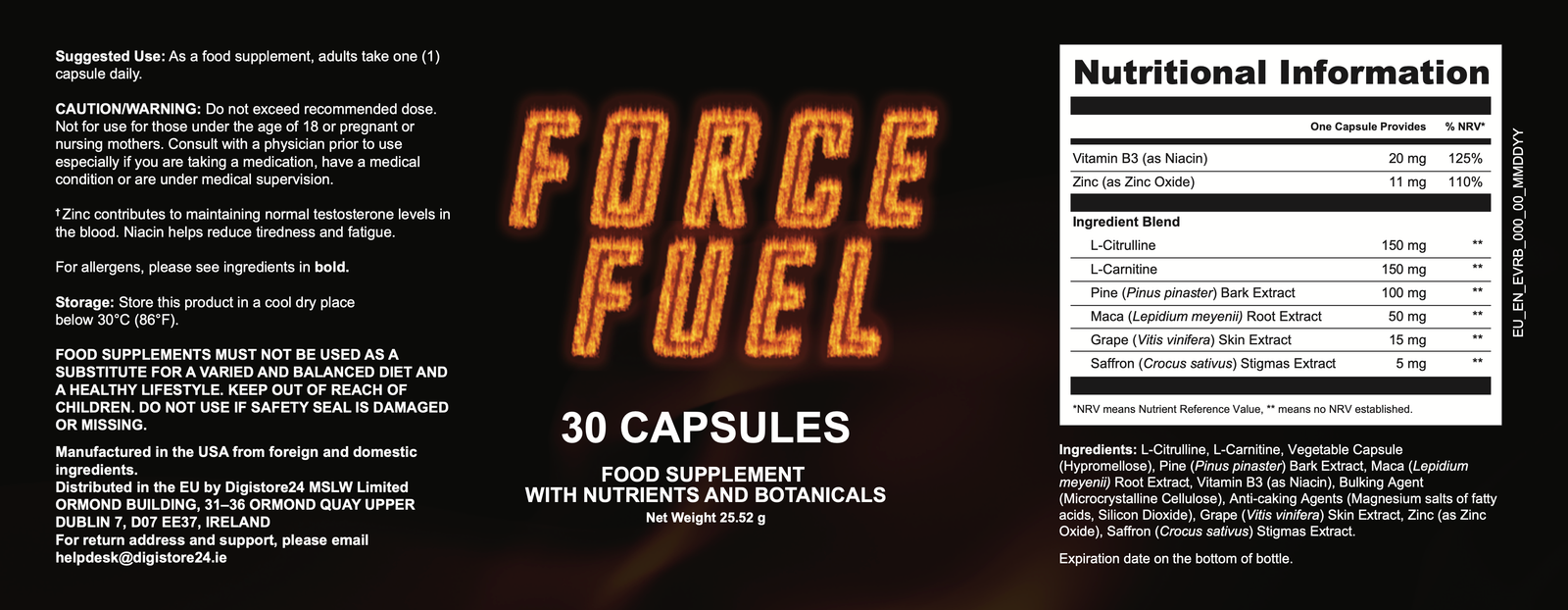
Force Fuel Official Label
The Supplement Facts panel below lists the exact amount of each vitamin, mineral and botanical in one capsule.